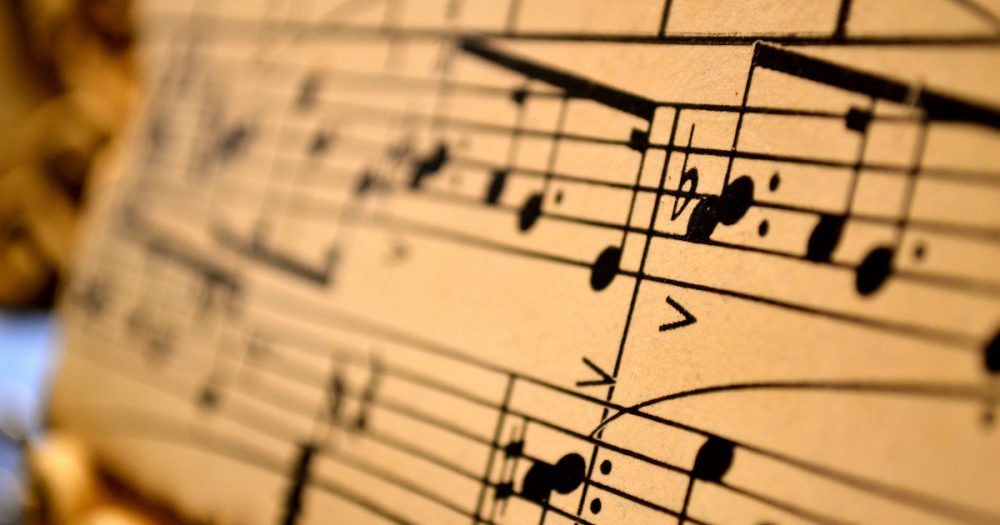
As I stated in last week’s blog post, my goal was to be able to play Carlos Gardel’s “Por Una Cabeza” by the end of this week. If I have to be honest, I was not able to complete this task because I overestimated the amount of time I could dedicate to this goal. Due to the amount of assignments I had this week, I could only work on this goal during the weekend, which gave me barely enough time to practice. I also made the mistake of creating the goal before looking at the sheet music.

(image via toplayalong.com)
“Por Una Cabeza” is most known for being featured in an iconic tango scene in the movie Scent of a Woman (1992). There is a drastic shift in tempo and tone in the middle of the song. The song begins with a pleasant, fast melody and later shifts to a more intense, slower beat. To put this into context, the beginning of the song sounds like a song that would be played in a field of flowers where birds are chirping and the sky is clear and sunny. The second half of the song sounds like a song that would be played during the middle of a fight scene.
Although the notes are not particularly hard to play, the rhythm throws me off. It is important to correctly play the rhythm because it establishes the mood of the piece and creates a beautiful story. The song is riddled with eighth-notes and sixteenth-notes, which means that the song is played at a faster tempo. The faster tempo combined with the slurs makes it hard to play the notes in tune. Additionally, the song contains more high-pitched notes, which are easier to detect when they are out of tune.
During my practice time, I was able to play most of the notes as quarter notes at a slower pace. I was unable to incorporate the slurs because it is harder to slur multiple notes rather than the usual two-note slur. I also did not realize that the song contains triplets, which are series of 3 notes that are played in a quick succession. I also discovered that there is a major change in key, as the beginning of the song is played in the key of G while the later half is played in the key of B flat. As a result, I must be cautious when the shift takes place since both keys feature different notes.
I learned that it is important to create a detailed plan before committing yourself to a goal, as seen in this week’s blog post. I decided to blindly follow this goal without looking over the sheet music and setting time aside to practice. I also learned that it is extremely helpful to listen to the song multiple times before playing to establish the tone of the piece. For example, “Por Una Cabeza” is known for its bold and intense shift from a light melody to a more articulated beat. If the player did not know this beforehand, the song would lose the ability to express emotion to the audience, which is the key goal of the piece.
For myself, I have learned that I tend to play better when I play the song side-by-side with an audio clip of the piece. For example, when I practiced “Por Una Cabeza,” I would play a section of the song, play the clip and compare, and replay the section to make adjustments. I find that this method works best for me because I am an auditory learner. I also learned that I need to work on my time management since it is important to put in a lot of practice time before performing a piece.
After failing to reach my goal for this week, I plan on working on the same goal throughout next week. I will play sections of “Por Una Cabeza” rather than attempting to play the entire song over and over and focus on interpreting the rhythm to correctly express the emotions of the song. Additionally, I plan on working on much simpler, well-known songs such as “We Wish You A Merry Christmas” and “Ode to Joy” to practice rhythm and intonation.

 Vivi's Blog
A nice thorough blog. The photo credit should look like this with the website hyperlinked:
Image by Vivi Tran via To Play Along
LikeLike